

EMDR Therapy
Sometimes the experiences that continue affecting us today aren't always the ones we think of as "trauma."
A difficult childhood, a painful relationship, a loss, a medical experience, ongoing criticism, or years of carrying negative beliefs about yourself can all leave a lasting impact.
EMDR Therapy helps process those experiences so they no longer carry the same emotional weight, allowing you to move forward with greater clarity, confidence, and peace.
Do You Ever Wonder
Why Certain Experiences Still Affect You?

Maybe you find yourself reacting more strongly than you'd like.
Perhaps you avoid specific places, conversations, or memories without fully understanding why.


You may struggle with self-doubt, anxiety, guilt, or shame.
Or the feeling that you're "stuck" repeating the same emotional patterns — sometimes after experiences that gradually shaped how you see yourself over time.


Even when you logically know those experiences are in the past...
...your mind and body may continue responding as though they're happening in the present.

Sometimes those patterns develop after significant traumatic experiences. Other times, they grow from smaller experiences that happen repeatedly over time — criticism, rejection, unhealthy relationships, difficult childhood experiences, or feeling like you were never quite good enough.
EMDR helps address those underlying experiences so they no longer have the same hold on your life today.
EMDR Can Help
with More Than Major Trauma

Childhood Experiences & Negative Core Beliefs
Feeling like you’re not good enough
Fear of disappointing others
Difficulty trusting yourself
Persistent self-criticism
Childhood experiences that continue affecting adulthood
Long-standing negative beliefs about yourself

Distressing Life
Experiences
Relationship difficulties
Divorce or separation
Grief and loss
Medical experiences
Workplace stress
Significant life transitions

Major Traumatic
Experiences
Abuse
Assault
Accidents
Natural disasters
Military experiences
Other overwhelming life events
EMDR was originally developed to help people process major traumatic experiences, often referred to as "Big T" trauma.
Today, we also understand that experiences don't have to be catastrophic to leave a lasting impact.
Repeated criticism, unhealthy relationships, bullying, difficult childhood experiences, or years of believing negative things about yourself can shape the way you think, feel, and respond to the world around you.
Whether those experiences feel "big" or "small," what matters most is how they continue affecting your life today.
How EMDR Therapy Can Help

EMDR, which stands for Eye Movement Desensitization and Reprocessing, is an evidence-based therapy that helps your brain process experiences that may feel unresolved.
Rather than repeatedly talking through every detail of a difficult experience, EMDR helps your brain reprocess those memories so they become less emotionally distressing over time.

Ease emotional distress from past experiences
Process unresolved memories
Improve emotional regulation
Feel less "stuck" in old patterns
Strengthen healthier beliefs about yourself
Reduce anxiety and emotional triggers
Increase confidence and self-trust
Move forward with greater emotional freedom
The goal isn't to erase memories or pretend they never happened.
The goal is to help you respond to life's challenges in a healthier way, feel more connected to yourself, and create meaningful progress over time.
Making EMDR Feel Understandable and Approachable
One of the biggest misconceptions about EMDR is that it's only for people who have experienced extreme trauma.
While EMDR can absolutely help people recover from major traumatic experiences, it can also be incredibly effective for experiences that gradually shaped how you see yourself and the world around you.
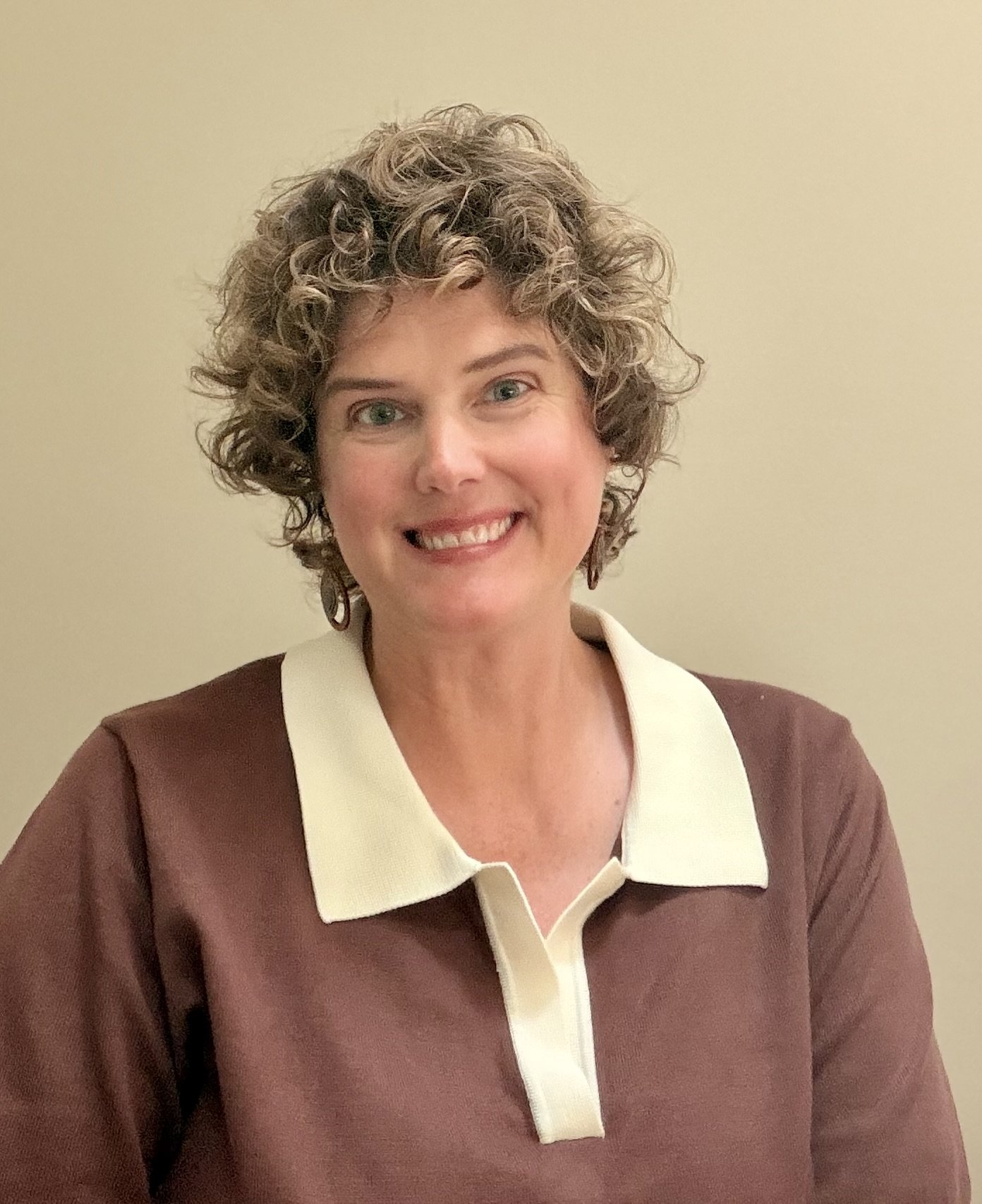
My approach is to help you understand why those experiences may still be affecting you today without making the process feel overwhelming or intimidating.
We'll move at a pace that feels comfortable, taking time to understand your experiences, identify meaningful treatment goals, and determine whether EMDR is the right fit for your needs.
Every person's story is different, which is why treatment is always tailored to your unique experiences and goals.



What to Expect From EMDR Therapy
01
Your first sessions focus on getting to know you, understanding your experiences, and determining whether EMDR is an appropriate part of your treatment plan.
02
If EMDR is a good fit, we'll identify specific memories, experiences, or beliefs that continue affecting your life today and work together through the process at a pace that feels safe and manageable.
03
Many people are surprised to learn that EMDR isn't about reliving painful experiences. It's about helping your brain process them differently so they no longer carry the same emotional intensity.
04
Throughout the process, you'll have the opportunity to ask questions, share feedback, and move forward collaboratively.

You don't have to stay stuck in the past
Whether you're carrying the effects of a major traumatic event or experiences that quietly shaped how you see yourself over time, healing is possible.
EMDR Therapy can help you process those experiences, reduce their emotional impact, and move forward with greater confidence and peace.