

Burnout & Emotional Exhaustion
Therapy can help you better understand the patterns contributing to burnout, emotional exhaustion, and chronic stress while creating space for recovery, balance, and meaningful change.
When you've spent so much time taking care of responsibilities, meeting expectations, and showing up for others, it can be difficult to recognize just how exhausted you've become.
Does Any of This Sound Familiar?

You keep showing up, doing what needs to be done, and taking care of the people and responsibilities that depend on you.
From the outside, everything may look fine. Internally, however, you feel drained.


The energy you once had isn't there. Rest doesn't seem to help the way it used to.
Small tasks feel heavier, your patience feels shorter, and you're constantly trying to push through exhaustion.


Burnout and emotional exhaustion often develop gradually.
Many people don't realize how much they've been carrying until the emotional weight begins affecting their relationships, work, physical health, and overall well-being.
If any of this feels familiar,
you're not alone.

Burnout Looks
Different for Everyone

Emotional Exhaustion
Feeling emotionally drained
Difficulty feeling motivated
Constant fatigue
Feeling detached or disconnected
Struggling to enjoy things you once enjoyed
Feeling like you have nothing left to give

Compassion Fatigue
Feeling overwhelmed by the needs of others
Difficulty maintaining emotional energy
Increased frustration or irritability
Feeling emotionally numb
Reduced sense of fulfillment
Struggling to recharge

Chronic Stress & Burnout
Feeling overwhelmed by responsibilities
Difficulty relaxing
Increased anxiety and tension
Trouble concentrating
Difficulty setting boundaries
Feeling stuck in survival mode
Burnout and emotional exhaustion can affect people in many different ways.
For some, it shows up at work. For others, it appears in relationships, caregiving roles, family responsibilities, or simply the pressure of trying to keep up with everything life demands.
Regardless of how it shows up, burnout is often a signal that something needs attention.
How Therapy Can Help

When you're emotionally exhausted, even small challenges can begin to feel overwhelming.
Therapy provides space to slow down, gain perspective, and better understand the factors contributing to your stress, burnout, and emotional fatigue.
Together, we'll identify patterns that may be keeping you stuck while exploring practical ways to create more balance, support, and sustainability in your life.

Better understand sources of stress and burnout
Develop healthier boundaries
Improve self-care without guilt
Reduce feelings of overwhelm
Create more balance in daily life
Reconnect with your own needs and priorities
Improve emotional awareness
Strengthen coping skills
The goal is to help you respond to life's demands in a healthier way while creating space for yourself, your relationships, and the things that matter most.
The goal is not to become someone who never feels stress.

Support for People Who Have Been Carrying Too Much for Too Long
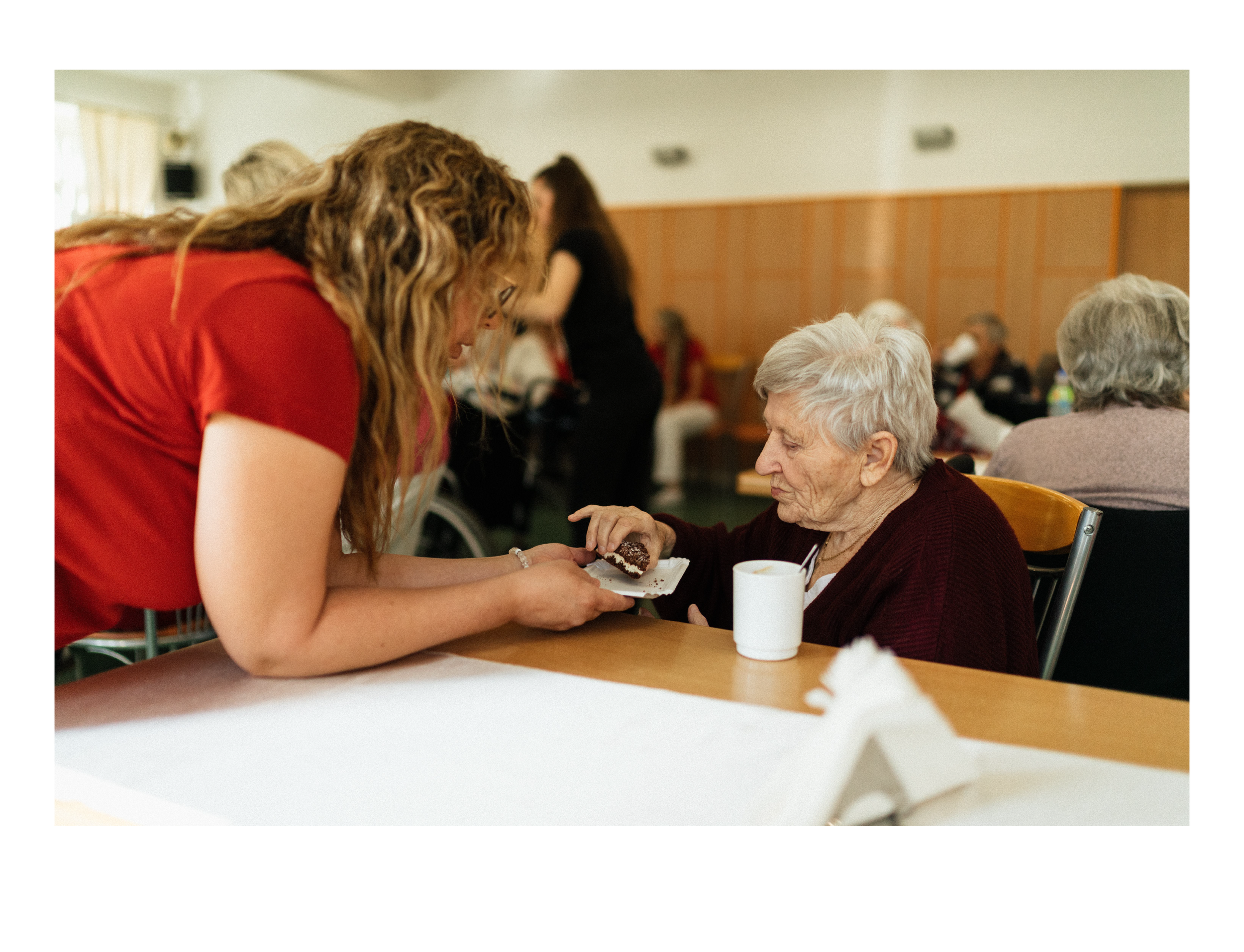
Many of the people I work with are used to being the dependable one.
They're the person others turn to for support. The person who handles responsibilities, solves problems, and keeps things moving forward, often while neglecting their own needs.
Over time, that can take a significant emotional toll.
My approach is warm, collaborative, and grounded in helping you better understand what you're carrying and what may need to change in order to create a healthier, more sustainable way forward.
Whether you're experiencing burnout related to work, caregiving, relationships, helping professions, healthcare settings, or life in general, therapy can provide a space to process those experiences and begin making meaningful changes.


What to Expect From Therapy
01
Starting therapy does not mean you've failed or that you're incapable of handling life's challenges.
02
In fact, many people seek support because they've been handling too much on their own for too long.
03
Our first sessions focus on understanding what has contributed to your burnout or emotional exhaustion, identifying areas where you feel stuck, and exploring what you would like to see change.
04
Together, we'll create goals that feel realistic, meaningful, and aligned with the life you want to build moving forward.
05
Therapy is a collaborative process designed to help you better understand yourself, strengthen your ability to navigate stress, and create lasting change.
You Don't Have to
Carry It All Alone
If you're feeling emotionally exhausted, overwhelmed, burned out, or simply tired of carrying so much on your own, support is available.
Therapy can help you better understand what's contributing to these experiences and begin creating a healthier path forward.